Menu

Storm Damage HVAC Repair in Detroit – Emergency Response in 60 Minutes or Less

When severe weather strikes Detroit, your heating and cooling system can fail in minutes. Ace HVAC Detroit deploys certified storm damage HVAC repair technicians around the clock to restore climate control before secondary damage spreads through your home.

Slider Image 1
Slider Image 2
Slider Image 3
Slider Image 4
Slider Image 5
Slider Image 7
Slider Image 8
Slider Image 9
Slider Image 10
Slider Image 11

How Detroit Storms Destroy HVAC Systems Fast

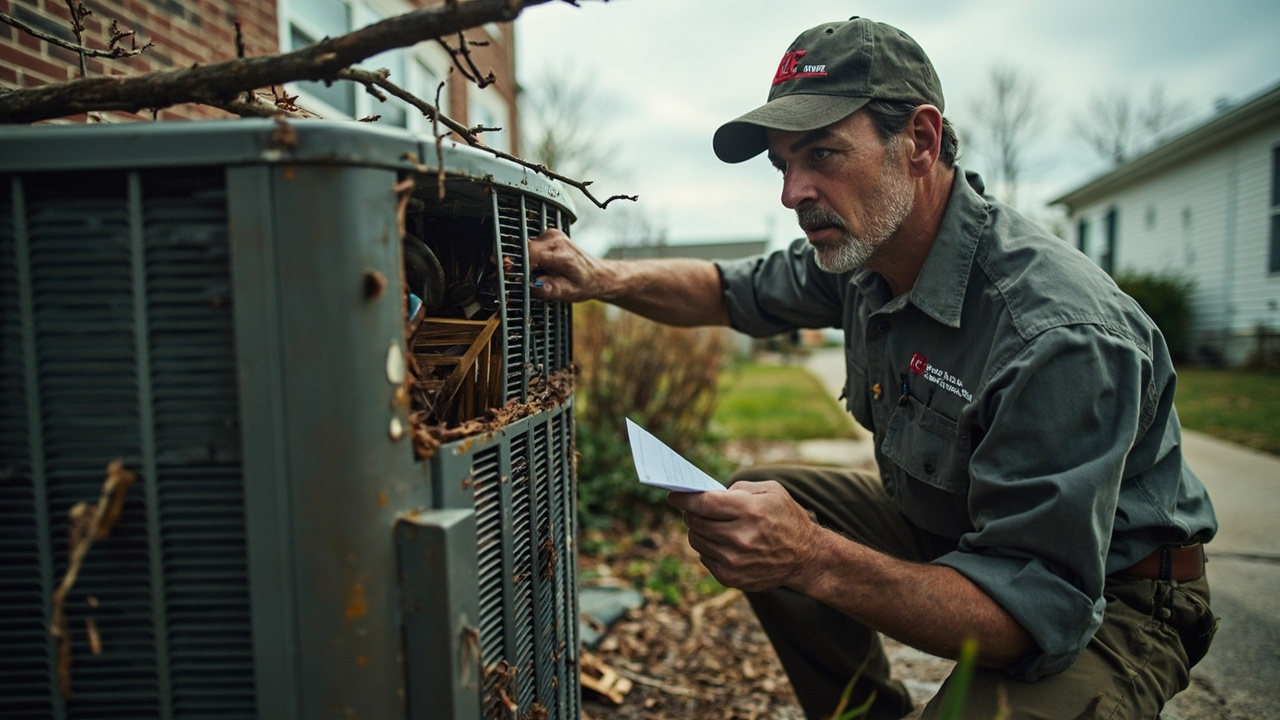
Detroit weather patterns create perfect conditions for catastrophic HVAC failure. When thunderstorms tear across Wayne County with 60 mph winds, outdoor condensing units take direct hits from airborne debris. Hail the size of golf balls punches through aluminum fins and compressor housings. Lightning strikes surge through electrical panels and fry circuit boards in seconds.

The real danger starts after the storm passes. Your storm damaged AC unit sits exposed to rain infiltration. Water seeps into electrical compartments and control boards. Refrigerant lines get kinked or severed. Debris clogs condenser coils and blocks airflow. What started as external damage becomes internal system failure.

Detroit's humidity makes everything worse. A damaged HVAC system in July means indoor temperatures climbing past 90 degrees within hours. Moisture builds in your ductwork. Mold spores multiply. Your home becomes uninhabitable fast.

Emergency HVAC storm repair cannot wait. Every hour of delay means higher repair costs and greater health risks. Storm damaged equipment leaks refrigerant into your yard. Exposed wiring creates fire hazards. Frozen components in winter lead to burst pipes and water damage throughout your structure.

You need heating and cooling storm damage repair teams who understand Detroit's specific weather threats. Teams who stock parts for the brands common in neighborhoods from Corktown to Grosse Pointe. Teams who deploy immediately when your call comes in at 2 AM during a thunderstorm warning.

How Detroit Storms Destroy HVAC Systems Fast
Our Storm Damage Assessment and Emergency Restoration Protocol

Our Storm Damage Assessment and Emergency Restoration Protocol

HVAC storm restoration services require different skills than standard repair work. Our technicians arrive with emergency power generators, industrial moisture meters, and thermal imaging cameras. We document every damaged component for your insurance claim before touching anything.

The assessment starts at your outdoor condensing unit. We check refrigerant pressures to detect line punctures. We measure voltage at the disconnect box to identify electrical damage. We inspect the compressor mounting for shift or impact damage that compromises internal mechanics. We photograph everything.

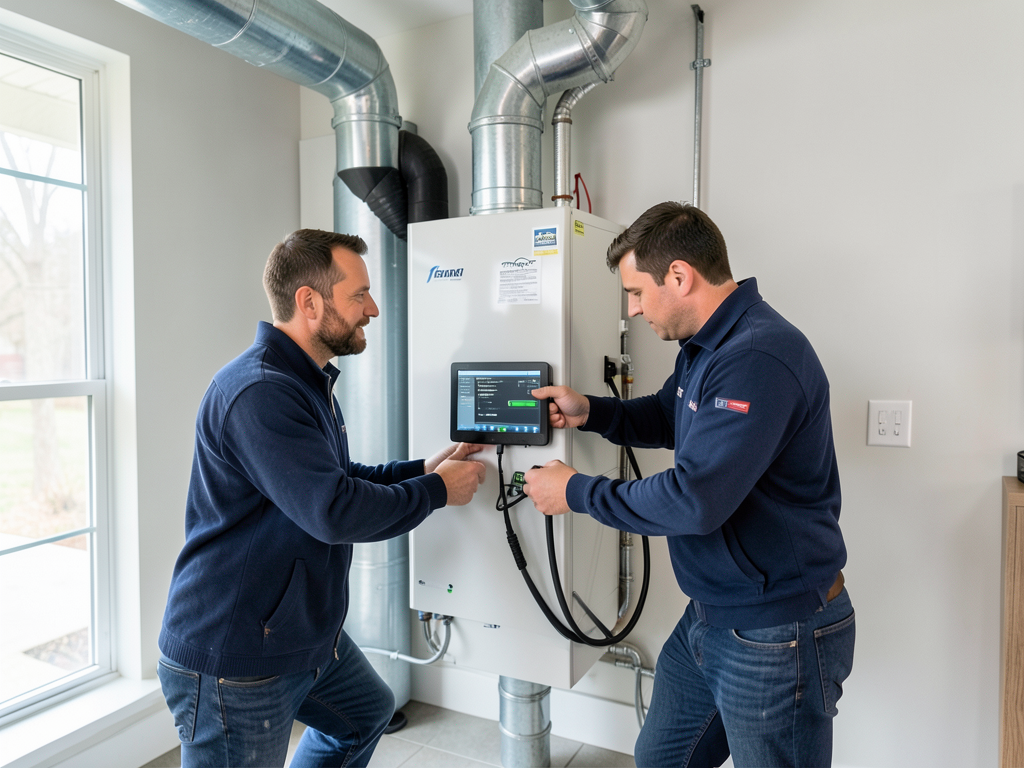
Inside your home, we test your air handler and furnace for secondary damage. Storms that knock out power create voltage spikes when electricity returns. These surges destroy capacitors, contactors, and control boards. We check every electrical connection point with multimeters and megohm testers.

Next comes the ductwork inspection. Wind pressure can collapse flex ducts in attics. Roof leaks saturate insulation around supply plenums. We verify your entire air distribution system maintained structural integrity and remains free from contamination.

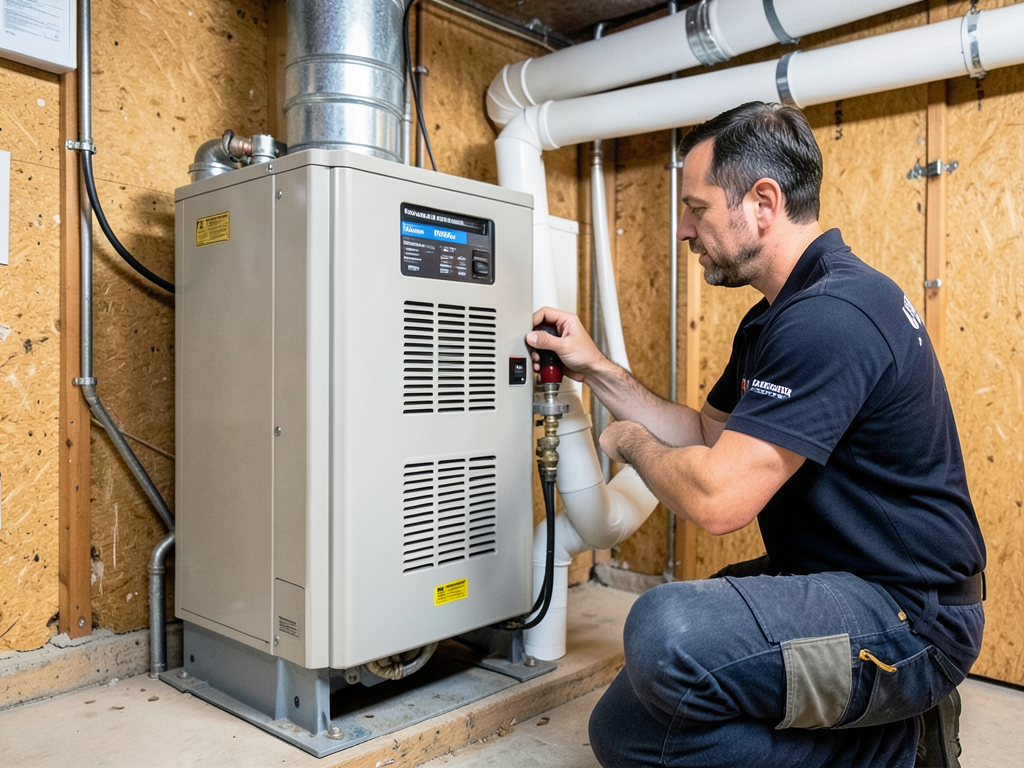
When we fix storm damaged HVAC systems, we follow manufacturer specifications exactly. We replace damaged components with OEM parts that match your equipment specs. We vacuum and pressure test refrigerant lines before recharging. We verify proper amperage draw on every motor and compressor.

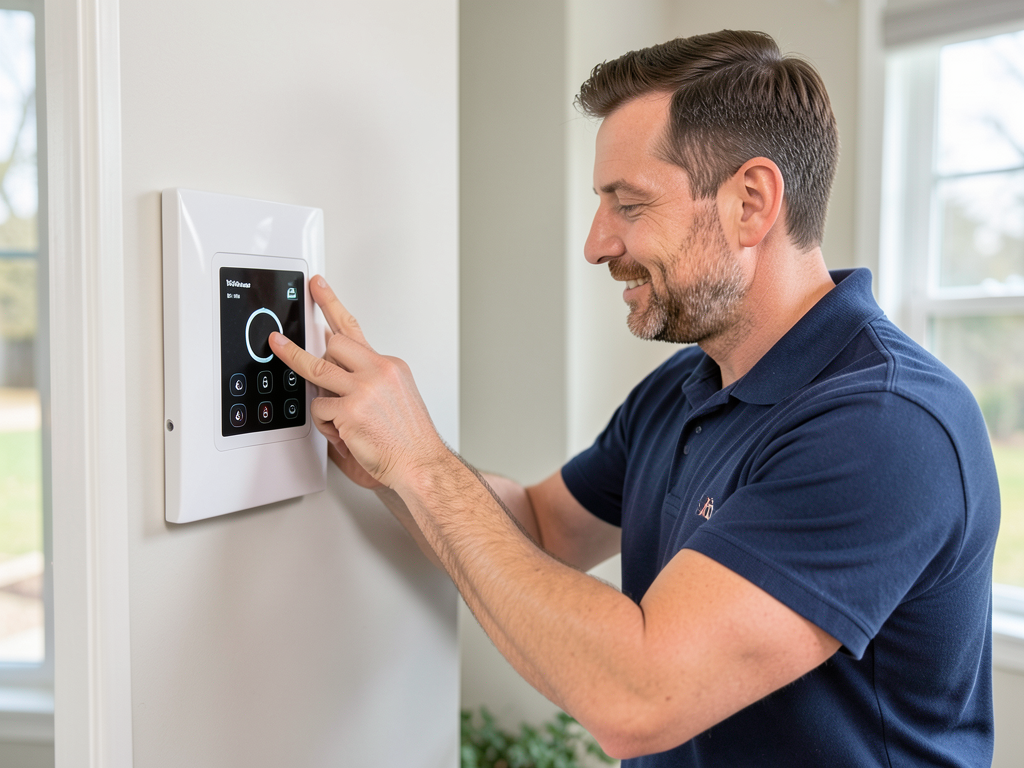
The final step separates emergency repairs from permanent solutions. We install surge protection devices at your electrical panel and at the HVAC disconnect. We add hail guards over condenser coils. We secure outdoor units to reinforced concrete pads. Your system comes back stronger than before the storm hit.

What Happens When You Call for Emergency Storm Damage Service

Storm Damage HVAC Repair in Detroit – Emergency Response in 60 Minutes or Less
01

Immediate Dispatch and Arrival

You call our emergency line at any hour. Our dispatcher logs your address and damage description. We send the closest available technician with a fully stocked service vehicle. Most Detroit locations get response within 60 minutes. Your technician calls you with their ETA and walks you through immediate safety steps while they drive to your home.
02

Complete System Damage Documentation

Our technician photographs all visible damage before making any repairs. They test electrical systems, refrigerant pressures, and airflow measurements. They create a detailed damage report with repair recommendations and cost estimates. This documentation supports your insurance claim and identifies both obvious and hidden damage that storms create in HVAC equipment throughout Detroit homes.
03

Emergency Repair and Restoration

We perform critical repairs immediately to restore heating or cooling function. If parts require ordering, we implement temporary solutions to keep you comfortable. We return to complete permanent repairs with OEM components. Your system gets tested under full load conditions. We verify all safety controls work correctly and your equipment operates at factory specifications before leaving your property.

Why Detroit Homeowners Choose Ace HVAC Detroit for Storm Damage Repairs

Storm damage creates chaos. You need contractors who show up when they promise and fix problems correctly the first time. Ace HVAC Detroit has built our reputation on reliability during the emergencies that matter most to Detroit families.

We understand Detroit's housing stock. The brick colonials in Palmer Woods have different HVAC configurations than the bungalows in Warrendale. Split systems in Midtown lofts require different repair approaches than the package units common in Dearborn Heights. Our technicians have restored equipment in every Detroit neighborhood and recognize the specific challenges each area presents.

Our emergency response coverage spans the entire Detroit metro. We maintain service vehicles staged throughout Wayne County. When storms roll through Detroit, our dispatch system routes the closest available technician to your address. We do not make you wait three days for an appointment while your home becomes uninhabitable.

Insurance claims add stress to already difficult situations. We document storm damage using the formats insurance adjusters expect. We provide detailed repair estimates that match industry standard pricing. We communicate directly with your insurance company to streamline approvals. Many homeowners tell us we simplified what they expected to be a nightmare process.

Equipment availability matters during widespread storm events. We maintain relationships with parts suppliers across Metro Detroit. When storms damage hundreds of HVAC systems simultaneously, we locate the components you need while other contractors wait on back orders. Your repair gets completed in days instead of weeks.

Local expertise protects your investment. We know Detroit building codes. We understand which permits storm repairs require. We pull permits when necessary and schedule inspections correctly. Your repair meets all regulatory requirements.

What to Expect During Storm Damage HVAC Repair

Emergency Response Time

We answer emergency calls 24 hours a day, seven days a week. Our dispatch system sends the closest available technician to your Detroit address. Most homes receive service within 60 to 90 minutes of your call. During major storm events affecting multiple neighborhoods, response times may extend to three hours. We provide realistic arrival estimates and keep you updated if conditions change. Your technician carries diagnostic equipment and common repair parts to begin work immediately upon arrival.

Comprehensive Damage Assessment

Our technicians inspect every component that storm damage affects. The assessment covers outdoor condensing units, indoor air handlers, ductwork, thermostats, and electrical connections. We use thermal imaging to detect hidden moisture infiltration. We test refrigerant pressures, electrical voltages, and airflow measurements. You receive a written report documenting all damage with photographs and repair recommendations. This assessment typically requires 45 to 90 minutes depending on system complexity and damage severity. The documentation supports your insurance claim and ensures we address every issue.

Complete System Restoration

Emergency repairs restore basic heating or cooling function within hours when parts are available. Complete restoration requires replacing damaged components with manufacturer-specified parts. Simple repairs like replacing a damaged disconnect box or straightening condenser fins complete in one visit. Complex damage requiring compressor replacement or extensive electrical work may need multiple visits. We explain exactly what your system needs and provide clear timelines. Every repair includes testing under full load conditions to verify proper operation and safety.

Storm Protection and Prevention

Storm damage repairs include protection upgrades that prevent future failures. We install surge protection devices at electrical panels and HVAC disconnects. We add hail guards over condenser coils. We secure outdoor units to reinforced mounting pads that resist wind displacement. We recommend weatherproofing measures specific to your equipment and location. These upgrades typically add minimal cost during repair work but provide substantial protection. We explain each protection option and help you decide which measures make sense for your home and budget.

Frequently Asked Questions

You Have Questions,
We Have Answers

What is the $5000 rule for HVAC? +

The $5000 rule is a quick guideline homeowners use when deciding whether to repair or replace an HVAC system. Multiply the age of your unit by the repair cost. If the total exceeds $5000, replacement makes more sense than repair. For example, if your 12-year-old system needs a $500 repair, that equals $6000, suggesting replacement is better. After severe storms in Detroit, this rule helps you decide fast when your unit suffers compressor damage or refrigerant line breaks. Insurance adjusters sometimes reference this formula when evaluating storm damage claims, making it important for both immediate decisions and claim approvals.

Does insurance cover HVAC damage? +

Yes, homeowners insurance typically covers HVAC damage from sudden, covered events like storms, lightning strikes, or falling trees. After Detroit's frequent severe weather, your policy should cover repairs if wind, hail, or debris damaged your outdoor condenser unit or ductwork. Insurance does not cover wear and tear, maintenance neglect, or gradual deterioration. File your claim immediately after storm damage occurs. Document everything with photos before temporary repairs. Your adjuster will inspect the unit to verify storm-related damage versus pre-existing issues. Keep all receipts for emergency repairs. Most policies cover both the outdoor condenser and indoor air handler if storm damage is proven.

What is the 3 minute rule for AC? +

The 3-minute rule protects your AC compressor from rapid cycling damage. After your system shuts off, wait at least three minutes before restarting it. This allows refrigerant pressure to equalize throughout the system. Restarting too quickly forces the compressor to work against high pressure, which causes premature failure. After storm-related power outages in Detroit, this rule becomes critical. When power returns, your thermostat may immediately call for cooling while pressure remains imbalanced. Install a time-delay relay if your system lacks one. This simple protection extends compressor life and prevents expensive emergency repairs during Detroit's hottest summer days following severe weather.

How much does it cost to fix an HVAC system? +

Storm damage HVAC repairs in Detroit range widely based on the specific damage. Minor repairs like replacing a damaged condenser fan motor cost $300 to $600. Refrigerant line repairs run $500 to $1500 depending on accessibility and refrigerant type. Compressor replacement from lightning damage costs $1800 to $3000. Complete outdoor unit replacement after severe storm damage runs $3000 to $7000. Ductwork repairs from fallen debris cost $400 to $1200 per section. Emergency service calls add $150 to $300. Insurance coverage significantly affects your out-of-pocket costs. Get written estimates before repairs begin, and verify your contractor documents storm damage properly for insurance claims.

What is the average lifespan of an HVAC? +

HVAC systems typically last 15 to 20 years with proper maintenance. Detroit's climate extremes, with cold winters and humid summers, stress systems and may reduce lifespan to the lower end of that range. Furnaces last slightly longer at 15 to 25 years, while air conditioners average 12 to 17 years. Heat pumps working year-round last 10 to 15 years. Storm damage can abruptly end a system's life regardless of age. Hail, lightning strikes, or falling branches cause catastrophic failures requiring full replacement. Regular maintenance, seasonal tune-ups, and prompt storm damage repairs maximize lifespan and help you avoid emergency replacements during extreme weather.

Is HVAC system cost tax deductible? +

HVAC costs are generally not tax deductible for personal residences. You cannot deduct repairs, replacements, or routine maintenance on your primary home. Two exceptions apply. First, energy-efficient upgrades may qualify for federal tax credits. High-efficiency heat pumps, central AC units, or furnaces meeting Energy Star requirements can earn credits up to $2000 under current programs. Second, home office deductions allow partial HVAC expense write-offs based on office square footage. Rental properties allow full HVAC deduction as business expenses. After storm damage in Detroit, consult a tax professional about available credits. Save all receipts and contractor documentation for potential energy efficiency credits when replacing damaged systems.

What are three things that are not covered by homeowners insurance? +

Three common exclusions from homeowners insurance are flooding, earth movement, and maintenance neglect. Flooding from heavy Detroit rains requires separate flood insurance through NFIP. Earth movement includes earthquakes and foundation settling, though rare in Michigan. Maintenance neglect means insurance will not cover HVAC damage from skipped tune-ups, dirty filters, or deferred repairs. Storm damage to your HVAC is covered, but pre-existing issues discovered during repairs are not. Termite damage, mold from long-term leaks, and normal wear and tear are also excluded. Understanding these gaps helps you maintain proper coverage and document that damage resulted from sudden storm events, not gradual deterioration.

How much does it cost to fix a leak in your AC system? +

AC refrigerant leak repairs in Detroit cost $500 to $1500 depending on leak location and severity. Finding the leak costs $200 to $400 using specialized detection equipment. Simple connection repairs run $300 to $600. Evaporator coil leaks cost $1000 to $2000 because of labor-intensive access. Condenser coil repairs range from $600 to $1200. After repairs, technicians must evacuate moisture, pressure-test the system, and recharge refrigerant, adding $300 to $600. Storm damage from hail or flying debris creates visible leaks that are easier and cheaper to fix than hidden leaks. Refrigerant type matters. Older R-22 costs significantly more than newer R-410A refrigerant.

What two events are not covered under homeowners insurance? +

Two major events excluded from standard homeowners insurance are floods and earthquakes. Flooding from Detroit's occasional severe rainstorms requires separate flood insurance. Standard policies cover wind-driven rain entering through storm-damaged roofs or windows, but not rising water or sewer backup without additional riders. Earthquakes are excluded, though Michigan experiences minimal seismic activity. Insurance covers sudden storm events like lightning, hail, wind, and falling trees that damage your HVAC system. Power surges from storms typically require separate electronics coverage. War, nuclear hazards, and government seizure are also excluded but rarely relevant. Review your policy annually to understand coverage gaps that could affect storm damage claims.

How cool should my house be if it's 100 outside? +

Your home should stay around 75 to 78 degrees when outside temperatures hit 100 degrees. Detroit rarely reaches 100, but during extreme heat waves, your AC faces limits. Most systems can cool 15 to 20 degrees below outdoor temperature. Expecting 68 degrees inside when it is 100 outside overtaxes your equipment and causes breakdowns. Set your thermostat to 75 degrees minimum during extreme heat. Close blinds on sun-facing windows. Run ceiling fans to improve comfort without lowering temperature. After storm damage, a struggling system may only achieve 80 degrees inside. This signals refrigerant loss, compressor damage, or ductwork problems requiring immediate professional inspection.

How Detroit's Severe Weather Patterns Increase HVAC Storm Damage Risks

Detroit sits in a weather transition zone where cold Canadian air masses collide with warm Gulf moisture. This creates the severe thunderstorms that pound Wayne County between April and September. Wind shear conditions produce straight-line winds exceeding 60 mph multiple times each summer. These winds turn patio furniture, tree branches, and roof shingles into projectiles that strike outdoor HVAC equipment. The Great Lakes amplify storm intensity and increase hail frequency across Metro Detroit. Your condensing unit faces more extreme weather events than equipment in most American cities.

Detroit's aging housing stock creates additional storm damage vulnerability. Many homes in neighborhoods like Indian Village and Boston Edison have HVAC equipment installed decades ago without modern surge protection. Older electrical services lack the grounding and protection circuits that prevent lightning damage. Local HVAC contractors who understand Detroit's specific building characteristics recognize these vulnerabilities immediately. They know which system configurations fail first during storms and which protection upgrades matter most. This local knowledge means faster diagnosis and more effective repairs.
HVAC Services in The Detroit Area

We invite you to explore our service area and locate our business on the map. Ace HVAC is strategically positioned to efficiently serve all residential and commercial clients within the Detroit metropolitan area and surrounding communities, ensuring prompt response times and convenient access to our expert heating and cooling solutions whenever you need us.

Address:
Ace HVAC Detroit, 7300 Woodward Ave, Detroit, MI, 48202

Additional Services We Offer

Our news updates

Latest Articles & News from The Blogs

Why Financing Your Detroit HVAC System Makes Sense Detroit homeowners face extreme seasonal swings. Winter lows can drop below zero…

How to Choose an HVAC Financing Plan That Won't Break Your Monthly Budget

Why Financing Your Detroit HVAC System Makes Sense Detroit homeowners face extreme seasonal swings. Winter lows can drop below zero…

Why Your New Center Apartment Smells Like Burning Dust Every Time the Heat Kicks On

Why Your New Center Apartment Smells Like Burning Dust Every Time the Heat Kicks On That burning dust smell when…

Comparing the Most Reliable Furnace Brands for the Harsh Winters in Shelby Township

Comparing the Most Reliable Furnace Brands for the Harsh Winters in Shelby Township\n\nWhen a January Polar Vortex hits Shelby Township…

Contact Us

Storm damage gets worse every hour you wait. Call Ace HVAC Detroit now at (313) 552-7177 for immediate emergency dispatch. Our technicians deploy 24 hours a day throughout Metro Detroit. We assess damage, document everything for insurance, and restore your climate control fast.