
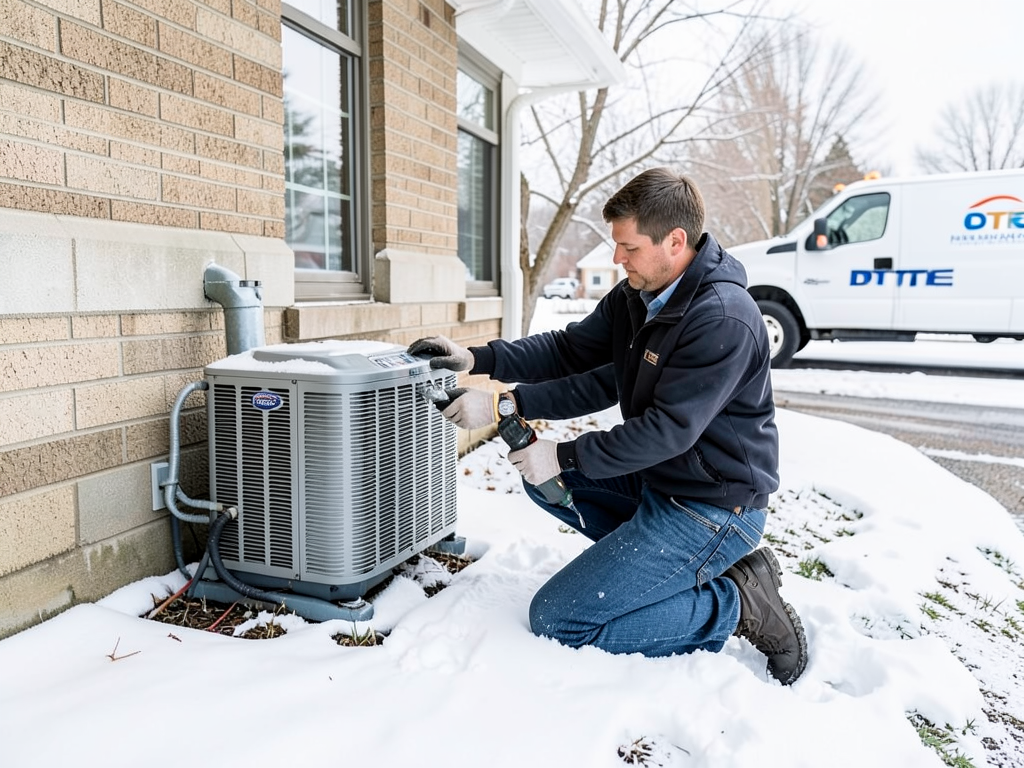
Is an Air Source Heat Pump Better Than a Standard AC Unit in Plymouth?
Detroit winters hit hard and summers bring sticky humidity. If you live in Plymouth Michigan you are deciding between a standard central air conditioner and a modern air source heat pump. The short answer is this: a heat pump wins for year-round comfort and lower utility bills but only if you choose a cold climate model with a gas furnace backup. For most Plymouth homeowners the hybrid dual fuel setup delivers the best balance of efficiency and reliability. Modern HVAC Solutions for Historic Grosse Pointe Homes (Without Ruining the Aesthetics).
How a Heat Pump Differs From a Standard AC
A central air conditioner only moves heat out of your home in summer. A heat pump does that too but also reverses the process in winter to pull heat from the outside air and bring it inside. The key component is the reversing valve which allows the refrigerant flow to change direction. In summer both systems cool using the same compressor and coils. In winter the heat pump becomes your heater while a standard AC does nothing.. Read more about Does Your HVAC System Need UV Lights to Kill Mold in Damp Basement Homes in East English Village?.
Performance in Michigan Winters: The Cold Climate Factor
Traditional heat pumps lose efficiency when outdoor temperatures drop below 25°F. In Plymouth that means you would rely heavily on expensive electric resistance backup heat during most winter nights. Cold climate heat pumps (ccASHP) use variable speed compressors and advanced refrigerants to extract usable heat even when it is -10°F outside. The U.S. Department of Energy defines a cold climate heat pump as one that maintains at least 70 percent of its rated heating capacity at 5°F and continues operating down to -15°F. U.S. Department of Energy heat pump guide.
Plymouth sits in climate zone 5 where the 99 percent design temperature is -1°F according to the International Energy Conservation Code. That means your heating equipment must handle at least one full day per year at that extreme. A standard heat pump would struggle while a ccASHP paired with a high-efficiency gas furnace can automatically switch to gas when electric heat becomes inefficient. This dual fuel strategy keeps your home warm without the high electric bills of pure resistance heat.. Read more about Heating and Cooling Your Indian Village Home with Ductless Mini Splits.
Cost Comparison: Installation vs Monthly Utilities in Detroit
Upfront installation for a cold climate heat pump system with a gas furnace backup runs about $2,000 to $4,000 more than a standard AC plus furnace. That premium pays off in two ways. First, heat pumps earn a federal tax credit of up to $2,000 under the Inflation Reduction Act 25C provision for qualifying high-efficiency equipment. Second, Michigan electricity rates average 16.7 cents per kilowatt-hour while natural gas costs about $1.20 per therm. A heat pump can deliver three times more heat per unit of electricity than a resistance heater, cutting heating costs by 30 to 50 percent compared to electric backup alone. The Best Local AC Installation Specialists for Homeowners in Royal Oak.
Using current DTE Energy and Consumers Energy rates a Plymouth homeowner with a 2,000 square foot home could save $400 to $600 per year on heating compared to a standard AC and electric furnace. Over a ten-year span the savings offset the higher installation cost and then generate pure profit. DTE Energy heat pump rebates.
Michigan Rebates and Tax Credits (DTE, Consumers Energy & IRA)
Both DTE Energy and Consumers Energy offer rebates for qualifying heat pumps. DTE provides up to $3,000 for a cold climate heat pump with a minimum heating seasonal performance factor (HSPF2) of 8.2. Consumers Energy offers up to $2,000 for the same equipment. These rebates apply only to ccASHP models that meet the cold climate standard. You must work with a participating contractor and submit the rebate application within 90 days of installation.
The federal 25C tax credit covers 30 percent of the installed cost up to $2,000 for qualifying heat pumps. The credit applies to both the equipment and installation labor. You claim it on your federal tax return for the year the system is placed in service. Combining local rebates with the federal credit can reduce your net investment by $4,000 to $5,000.. Read more about Installing a New Central Air System in Your Southfield Home.
Pros and Cons Summary Table
| Feature | Standard AC + Gas Furnace | Cold Climate Heat Pump + Gas Furnace |
|---|---|---|
| Upfront Cost | Lower | $2,000-$4,000 higher |
| Heating Efficiency | 95-98% AFUE | 300%+ HSPF2 |
| Cooling Efficiency | SEER2 up to 18 | SEER2 up to 20+ |
| Winter Performance | Reliable down to -20°F | Reliable with auto switch to gas below 25°F |
| Rebates Available | Limited | DTE up to $3,000, Consumers up to $2,000, federal 25C up to $2,000 |
| Carbon Footprint | Moderate | Lower due to higher efficiency |
Lifespan and Maintenance Requirements
A quality air source heat pump lasts 12 to 15 years with proper maintenance. The compressor and reversing valve are the most critical components. Annual professional tune-ups should include checking refrigerant charge, testing capacitor health, and cleaning the outdoor coil. Heat pumps run year-round so the outdoor unit faces more wear than a seasonal AC. The gas furnace backup in a dual fuel system typically lasts 15 to 20 years because it only operates during the coldest months. Fast and Professional Boiler Repair Services in Corktown and Midtown Detroit.
Standard AC units with gas furnaces also last 15 to 20 years but only run in summer. That reduced runtime can mean slightly lower maintenance costs over the life of the system. Both setups require monthly air filter changes and periodic duct cleaning to maintain efficiency.. Read more about Finding the Quietest AC Units for Small Lots and Close Neighbors in University District.
Environmental Impact in Michigan
Michigan generates about 32 percent of its electricity from renewable sources with the rest coming from natural gas, coal, and nuclear. A heat pump uses electricity more efficiently than resistance heat so even on a mixed grid it produces fewer greenhouse gas emissions per unit of heat than a gas furnace. The exact reduction depends on your utility’s fuel mix and your home’s insulation level. In Plymouth where DTE Energy is the primary provider the carbon intensity of electricity is dropping each year as coal plants retire.
Pairing a heat pump with a high-efficiency gas furnace creates a system that automatically uses the cleanest fuel available at any given outdoor temperature. This hybrid approach aligns with Michigan’s long-term energy strategy to reduce building emissions without sacrificing comfort during extreme cold snaps.. Read more about The Right Way to Winterize Your Outdoor AC Unit in Clinton Township Before the Snow Hits.
Common Concerns and Misconceptions
Some homeowners worry that a heat pump will blow cold air in winter. Modern variable speed units actually modulate their output to match the home’s heat loss, so supply air stays warm even in freezing conditions. Another myth is that heat pumps are noisy. New ccASHP models operate at 50 to 60 decibels from 10 feet away, about the same as a modern refrigerator.
People also think heat pumps cannot handle Michigan humidity. In fact, the same refrigeration cycle that cools in summer also dehumidifies. A heat pump removes moisture from indoor air just like an AC, and many models include a dedicated dehumidification mode for spring and fall when cooling is not needed but humidity is high. Why You Need a Dedicated Air Conditioning Repair Service in Birmingham Michigan.
Why Dual Fuel is the Michigan Gold Standard
Dual fuel systems automatically switch between electric heat pump and gas furnace based on outdoor temperature and utility rates. Most systems switch to gas when the temperature drops below 30°F or when the heat pump cannot meet the thermostat setpoint within 10 minutes. This protects you from the high cost of electric resistance backup while still capturing the efficiency of the heat pump during milder weather.
In Plymouth where January lows average 18°F and record lows reach -20°F the hybrid setup ensures you never lose heat. The gas furnace provides peace of mind during polar vortex events while the heat pump handles the majority of heating hours, cutting your annual energy use by up to 40 percent compared to a standard AC and electric furnace.. Read more about The Benefits of Hybrid Dual-Fuel Heating Systems for the Unpredictable Michigan Weather.
Call for a Professional Load Calculation
The only way to know which system is right for your home is a detailed Manual J load calculation. This analysis measures your home’s heat loss and gain based on square footage, insulation levels, window types, and local climate data. Guessing at equipment size leads to short cycling, high bills, and premature failure. A licensed HVAC contractor in Plymouth will measure your home, inspect your ductwork, and recommend the exact BTU capacity you need.
Schedule your free in-home assessment today. Call (313) 552-7177 to speak with a Michigan HVAC expert who understands Plymouth’s unique climate challenges. Do not wait until your old AC fails on the hottest day of summer. Plan ahead and take advantage of rebates while they last.
Frequently Asked Questions
Do heat pumps work in Michigan winters?
Yes, but only if you choose a cold climate model. Standard heat pumps lose efficiency below 25°F while ccASHP units are engineered to operate down to -15°F and maintain most of their heating capacity at 5°F.
How much can I save with a heat pump in Plymouth?
Homeowners typically save $400 to $600 per year on heating compared to a standard AC with electric backup. Combined with rebates and tax credits the system can pay for itself in five to seven years.. Read more about Claiming Federal Tax Credits for Your HVAC Upgrade in Highland Park.
What rebates are available for heat pumps in Michigan?
DTE Energy offers up to $3,000 and Consumers Energy offers up to $2,000 for qualifying cold climate heat pumps. The federal 25C tax credit adds up to $2,000 more. All require installation by a participating contractor.
Is a heat pump louder than a standard AC?
No. Modern cold climate heat pumps operate at 50 to 60 decibels from 10 feet away, similar to a modern refrigerator. Proper installation on a vibration isolator pad further reduces noise.
How long does a heat pump last in Michigan?
With annual maintenance a quality heat pump lasts 12 to 15 years. The compressor and reversing valve are the most critical components. Pairing it with a gas furnace for extreme cold extends overall system reliability.
Can I keep my existing furnace and just add a heat pump?
Yes. This is the most common hybrid setup. The heat pump handles heating and cooling while the furnace acts as backup for the coldest days. This gives you the best of both technologies without replacing equipment that is still in good condition.. Read more about Cooling Down a Woodbridge Victorian Without Ducts or Damage.
You may also find this helpful. Understanding SEER2 Ratings and What They Actually Mean for Your Monthly Energy Bills in Novi.
You may also find this helpful. Finding a 24 Hour Emergency AC Repair Service in Wyandotte Before the Next Heatwave.
You may also find this helpful. What That Loud Banging or Whistling From Your St. Clair Shores AC Actually Means.
You may also find this helpful. Space-Saving HVAC Solutions for Bagley Bungalows and Smaller Detroit Homes.
{
“@context”: “https://schema.org”,
“@type”: “BlogPosting”,
“headline”: “Is an Air Source Heat Pump Better Than a Standard AC Unit in Plymouth?”,
“description”: “Comparing heat pumps vs central AC in Plymouth Michigan. Learn about cold climate performance, DTE rebates, IRA tax credits, and why dual fuel systems dominate Detroit winters.”,
“wordCount”: 1715,
“datePublished”: “2026-03-17T12:56:00.000Z”,
“dateModified”: “2026-03-17T12:56:00.000Z”,
“inLanguage”: “en-US”,
“mainEntityOfPage”: {
“@type”: “WebPage”,
“@id”: “https://acehvacdetroit.com”
},
“publisher”: {
“@type”: “LocalBusiness”,
“name”: “Ace HVAC Detroit”,
“url”: “https://acehvacdetroit.com”
},
“author”: {
“@type”: “Organization”,
“name”: “Ace HVAC Detroit”,
“url”: “https://acehvacdetroit.com”
},
“image”: {
“@type”: “ImageObject”,
“url”: “https://acehvacdetroit.com/wp-content/uploads/2026/03/is-an-air-source-heat-pump-better-than-a-standard-1.png”
}
}
{
“@context”: “https://schema.org”,
“@type”: “HVACBusiness”,
“name”: “Ace HVAC Detroit”,
“url”: “https://acehvacdetroit.com”,
“address”: {
“@type”: “PostalAddress”,
“addressLocality”: “Detroit”
},
“areaServed”: {
“@type”: “City”,
“name”: “Detroit”
}
}
{
“@context”: “https://schema.org”,
“@type”: “FAQPage”,
“mainEntity”: [
{
“@type”: “Question”,
“name”: “Do heat pumps work in Michigan winters?”,
“acceptedAnswer”: {
“@type”: “Answer”,
“text”: “Yes, but only if you choose a cold climate model. Standard heat pumps lose efficiency below 25°F while ccASHP units are engineered to operate down to -15°F and maintain most of their heating capacity at 5°F.”
}
},
{
“@type”: “Question”,
“name”: “How much can I save with a heat pump in Plymouth?”,
“acceptedAnswer”: {
“@type”: “Answer”,
“text”: “Homeowners typically save $400 to $600 per year on heating compared to a standard AC with electric backup. Combined with rebates and tax credits the system can pay for itself in five to seven years.”
}
},
{
“@type”: “Question”,
“name”: “What rebates are available for heat pumps in Michigan?”,
“acceptedAnswer”: {
“@type”: “Answer”,
“text”: “DTE Energy offers up to $3,000 and Consumers Energy offers up to $2,000 for qualifying cold climate heat pumps. The federal 25C tax credit adds up to $2,000 more. All require installation by a participating contractor.”
}
},
{
“@type”: “Question”,
“name”: “Is a heat pump louder than a standard AC?”,
“acceptedAnswer”: {
“@type”: “Answer”,
“text”: “No. Modern cold climate heat pumps operate at 50 to 60 decibels from 10 feet away, similar to a modern refrigerator. Proper installation on a vibration isolator pad further reduces noise.”
}
},
{
“@type”: “Question”,
“name”: “How long does a heat pump last in Michigan?”,
“acceptedAnswer”: {
“@type”: “Answer”,
“text”: “With annual maintenance a quality heat pump lasts 12 to 15 years. The compressor and reversing valve are the most critical components. Pairing it with a gas furnace for extreme cold extends overall system reliability.”
}
},
{
“@type”: “Question”,
“name”: “Can I keep my existing furnace and just add a heat pump?”,
“acceptedAnswer”: {
“@type”: “Answer”,
“text”: “Yes. This is the most common hybrid setup. The heat pump handles heating and cooling while the furnace acts as backup for the coldest days. This gives you the best of both technologies without replacing equipment that is still in good condition.”
}
}
]
}
{
“@context”: “https://schema.org”,
“@type”: “BreadcrumbList”,
“itemListElement”: [
{
“@type”: “ListItem”,
“position”: 1,
“name”: “Home”,
“item”: “https://acehvacdetroit.com”
},
{
“@type”: “ListItem”,
“position”: 2,
“name”: “Blog”,
“item”: “https://acehvacdetroit.com/blog”
},
{
“@type”: “ListItem”,
“position”: 3,
“name”: “Is an Air Source Heat Pump Better Than a Standard AC Unit in Plymouth?”
}
]
}
{
“@context”: “https://schema.org”,
“@type”: “Service”,
“serviceType”: “HVAC”,
“provider”: {
“@type”: “LocalBusiness”,
“name”: “Ace HVAC Detroit”,
“url”: “https://acehvacdetroit.com”
},
“areaServed”: {
“@type”: “City”,
“name”: “Detroit”
},
“description”: “Comparing heat pumps vs central AC in Plymouth Michigan. Learn about cold climate performance, DTE rebates, IRA tax credits, and why dual fuel systems dominate Detroit winters.”
}