
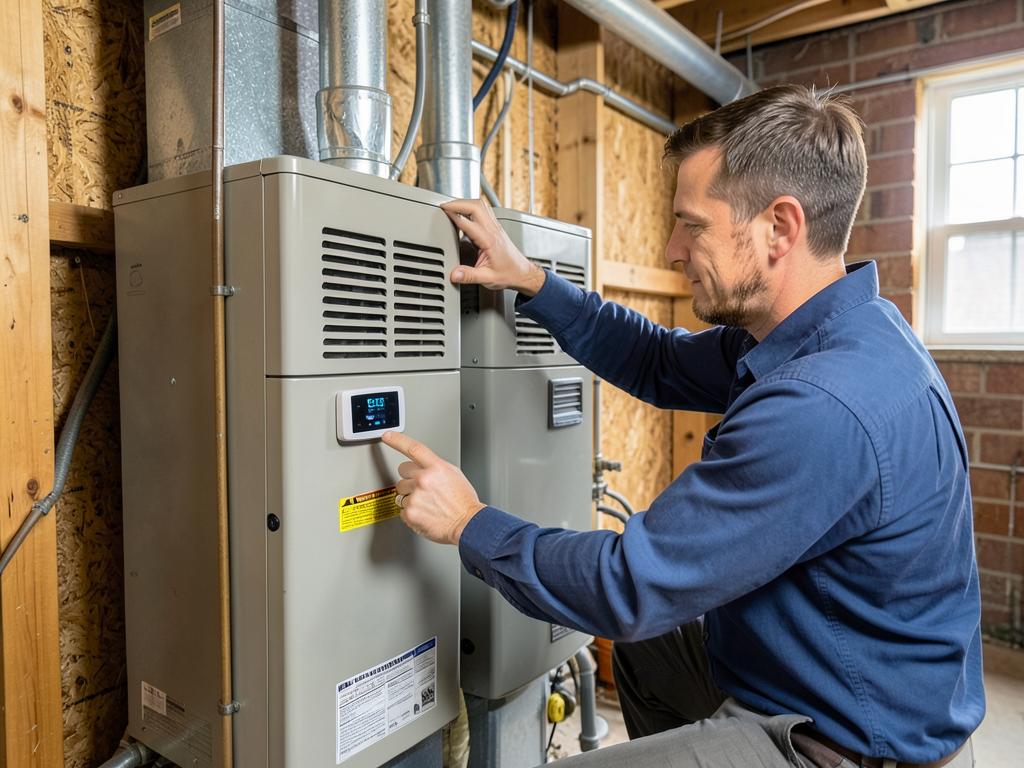
The Benefits of Hybrid Dual-Fuel Heating Systems for the Unpredictable Michigan Weather
Detroit homeowners face some of the most extreme temperature swings in the country. One week you’re dealing with sub-zero wind chills, the next you’re experiencing 60-degree thaws. This volatility makes traditional single-source heating systems struggle to keep up. A hybrid dual-fuel system combines the efficiency of an electric heat pump with the reliability of a natural gas furnace, automatically switching between them based on outdoor temperatures. The result is lower energy bills, consistent comfort, and peace of mind during Michigan’s harshest weather events.. Read more about Switching to a Dual-Fuel Hybrid Heating System in Green Acres (The Pros and Cons).
How Hybrid Dual-Fuel Systems Handle Michigan’s Extreme Weather
Hybrid systems use a smart thermostat that monitors outdoor conditions and decides which heating source to use. When temperatures are mild, the heat pump handles heating efficiently using electricity. As temperatures drop below the system’s balance point (typically around 35-40°F in Michigan), the system automatically switches to the gas furnace. This transition happens seamlessly without any input from you. The heat pump provides excellent cooling in summer, while the gas furnace delivers powerful heating when Michigan’s polar vortex hits. This dual approach means you’re never stuck with an inefficient system struggling in conditions it wasn’t designed for.. Read more about Choosing an HVAC System for Your Warren Rental Property That Won’t Constantly Break Down.
Energy Savings That Make a Real Difference in Detroit
The financial benefits become clear when you look at how energy prices fluctuate in Michigan. During shoulder seasons, electricity costs less than natural gas per BTU delivered. A heat pump can deliver 2-3 times more heat energy than the electrical energy it consumes, making it extremely cost-effective when temperatures are above freezing. When it gets really cold, natural gas becomes the more economical choice. DTE Energy and Consumers Energy both offer rebates for high-efficiency heat pumps, with current incentives covering up to $1,200 for qualifying equipment. Over a typical Michigan winter, homeowners see 30-40% reduction in heating costs compared to traditional gas furnaces alone. DTE Energy.
Installation Considerations for Detroit Homes
Retrofitting a hybrid system into an existing Detroit home requires careful planning. Many homes in neighborhoods like Sherwood Forest and Palmer Woods were built in the 1920s-1940s with limited electrical service. A proper installation may require upgrading your electrical panel to handle the heat pump’s power requirements. The outdoor unit needs adequate clearance from snow drifts and proper elevation to prevent ice buildup. For homes with radiators instead of ductwork, a ductless mini-split heat pump system can provide the same hybrid benefits. Professional installation ensures proper refrigerant line sizing, correct thermostat programming, and compliance with Detroit’s mechanical permit requirements. The Best Local AC Installation Specialists for Homeowners in Royal Oak.
Comparing Your Heating Options for Michigan Weather
| System Type | Best Temperature Range | Annual Operating Cost | Installation Cost |
|---|---|---|---|
| Gas Furnace Only | Below 50°F | $1,200-1,500 | $4,500-6,000 |
| Heat Pump Only | Above 35°F | $800-1,000 | $5,000-7,000 |
| Hybrid Dual-Fuel | 35-90°F | $900-1,200 | $7,000-10,000 |
Rebates and Incentives Available in Michigan
Federal tax credits through the Inflation Reduction Act provide up to $2,000 for qualifying heat pump installations. DTE Energy offers additional rebates of $500-1,200 depending on the system’s efficiency ratings. Consumers Energy provides similar incentives through their energy optimization program. These rebates are available for systems meeting SEER2 and HSPF2 efficiency standards, which measure cooling and heating performance respectively. The current federal tax credit covers 30% of installation costs up to the $2,000 maximum. These incentives can reduce your out-of-pocket costs by $3,000-4,000, making hybrid systems more affordable than ever for Detroit homeowners.. Read more about How to Claim Federal Tax Credits on Your New HVAC System in Metro Detroit.
Long-Term Reliability in Michigan Conditions
Modern cold-climate heat pumps are engineered specifically for Midwest winters. Units rated for Michigan’s climate zone 5 or 6 can maintain heating output down to -15°F while still operating efficiently. The gas furnace serves as backup for those rare occasions when temperatures drop below the heat pump’s effective range. This redundancy means you’ll never be without heat during a winter storm. The system’s smart controls also protect against power surges common during Michigan ice storms by properly sequencing equipment startup. With proper maintenance, a hybrid system typically lasts 15-20 years, outlasting traditional single-source systems in our harsh climate. Modern HVAC Solutions for Historic Grosse Pointe Homes (Without Ruining the Aesthetics).
Environmental Benefits Beyond Energy Savings
Hybrid systems reduce your carbon footprint by using electricity when it’s cleanest and most efficient. During Michigan’s milder months, the heat pump runs on grid electricity that includes growing contributions from renewable sources. When temperatures plummet, the high-efficiency gas furnace produces fewer emissions than older equipment. This balanced approach means your home uses the right energy source at the right time. Many Detroit-area homeowners pair their hybrid systems with smart thermostats that optimize operation based on time-of-use electricity rates, further reducing environmental impact while saving money.
Is a Hybrid System Right for Your Detroit Home?
Hybrid dual-fuel systems make the most sense for homes where you want year-round efficiency and reliability. They’re particularly valuable in neighborhoods with older housing stock where a single heating source might struggle. If your current system is over 15 years old or you’re facing rising energy bills, now is the time to consider an upgrade. The combination of available rebates, rising energy costs, and Michigan’s unpredictable weather makes this investment increasingly attractive. A professional assessment can determine if your home’s electrical service, ductwork, and layout are suitable for hybrid technology. Fast and Professional Boiler Repair Services in Corktown and Midtown Detroit.
Call (313) 552-7177 today to schedule your free in-home comfort assessment. Our Detroit HVAC experts will evaluate your current system, explain your options, and show you exactly how much you could save with a hybrid dual-fuel system. Don’t wait until the next polar vortex leaves you shivering – take control of your home’s comfort and energy costs now.
Frequently Asked Questions
How does a hybrid system know when to switch between heat pump and furnace?
The system uses an outdoor temperature sensor and smart thermostat that monitors conditions continuously. You can set the balance point temperature, typically between 35-40°F for Michigan. When outdoor temperatures drop below this set point, the system automatically switches to the gas furnace. The transition is seamless and usually takes less than 60 seconds.. Read more about Dealing With Ice Buildup on Your Outdoor Heat Pump During a Michigan Winter.
Will a hybrid system work during a power outage?
Standard hybrid systems require electricity to operate both the heat pump and furnace controls. However, you can add a whole-house generator or battery backup system to maintain heating during outages. Many Detroit homeowners combine these technologies for complete weather protection. The gas furnace portion can provide heat as long as it has power for the control board and blower motor.
What maintenance does a hybrid system require?
Hybrid systems need twice-yearly maintenance – once before cooling season and once before heating season. This includes checking refrigerant levels, cleaning coils, inspecting electrical connections, and testing the switch-over function. Annual furnace maintenance remains important even though it runs less frequently. Professional tune-ups typically cost $150-200 and prevent costly breakdowns during extreme weather.
How long does installation take?
Most hybrid system installations in Detroit homes take 1-2 days. The first day involves removing the old equipment and preparing the site. The second day includes installing the new components, connecting controls, and testing the system. If electrical upgrades are needed, additional time may be required. Our team handles all necessary permits and inspections as part of the installation process.
Can I keep my existing air conditioner with a hybrid heating system?
Yes, you can often keep your existing AC condenser if it’s in good condition and properly sized. The hybrid system replaces only the furnace and indoor coil. However, if your AC is over 10 years old, replacing it at the same time ensures matched efficiency and warranty coverage. Our technicians can evaluate your current AC and recommend the best approach for your situation.
Ready to experience the comfort and savings of a hybrid dual-fuel system? Call (313) 552-7177 now to speak with our Detroit HVAC specialists. We’ll help you navigate available rebates, choose the right equipment for your home, and schedule installation at your convenience. Don’t let another Michigan winter catch you with an inefficient heating system – make the smart choice today. For more information, visit Energy.gov.
{
“@context”: “https://schema.org”,
“@type”: “BlogPosting”,
“headline”: “The Benefits of Hybrid Dual-Fuel Heating Systems for the Unpredictable Michigan Weather”,
“description”: “Discover how hybrid dual-fuel systems provide reliable heating in Detroit’s extreme weather. Learn about energy savings, DTE rebates, and why this is the smart choice for Michigan homes.”,
“wordCount”: 1348,
“datePublished”: “2026-04-12T08:52:00.000Z”,
“dateModified”: “2026-04-12T08:52:00.000Z”,
“inLanguage”: “en-US”,
“mainEntityOfPage”: {
“@type”: “WebPage”,
“@id”: “https://acehvacdetroit.com”
},
“publisher”: {
“@type”: “LocalBusiness”,
“name”: “Ace HVAC Detroit”,
“url”: “https://acehvacdetroit.com”
},
“author”: {
“@type”: “Organization”,
“name”: “Ace HVAC Detroit”,
“url”: “https://acehvacdetroit.com”
},
“image”: {
“@type”: “ImageObject”,
“url”: “https://acehvacdetroit.com/wp-content/uploads/2026/03/the-benefits-of-hybrid-dual-fuel-heating-systems-f-1.png”
}
}
{
“@context”: “https://schema.org”,
“@type”: “HVACBusiness”,
“name”: “Ace HVAC Detroit”,
“url”: “https://acehvacdetroit.com”,
“address”: {
“@type”: “PostalAddress”,
“addressLocality”: “Detroit”
},
“areaServed”: {
“@type”: “City”,
“name”: “Detroit”
}
}
{
“@context”: “https://schema.org”,
“@type”: “FAQPage”,
“mainEntity”: [
{
“@type”: “Question”,
“name”: “Is a Hybrid System Right for Your Detroit Home?”,
“acceptedAnswer”: {
“@type”: “Answer”,
“text”: “Hybrid dual-fuel systems make the most sense for homes where you want year-round efficiency and reliability. They’re particularly valuable in neighborhoods with older housing stock where a single heating source might struggle. If your current system is over 15 years old or you’re facing rising energy bills, now is the time to consider an upgrade. The combination of available rebates, rising energy costs, and Michigan’s unpredictable weather makes this investment increasingly attractive. A professional assessment can determine if your home’s electrical service, ductwork, and layout are suitable for hybrid technology. Fast and Professional Boiler Repair Services in Corktown and Midtown Detroit.”
}
},
{
“@type”: “Question”,
“name”: “How does a hybrid system know when to switch between heat pump and furnace?”,
“acceptedAnswer”: {
“@type”: “Answer”,
“text”: “The system uses an outdoor temperature sensor and smart thermostat that monitors conditions continuously. You can set the balance point temperature, typically between 35-40°F for Michigan. When outdoor temperatures drop below this set point, the system automatically switches to the gas furnace. The transition is seamless and usually takes less than 60 seconds.”
}
},
{
“@type”: “Question”,
“name”: “Will a hybrid system work during a power outage?”,
“acceptedAnswer”: {
“@type”: “Answer”,
“text”: “Standard hybrid systems require electricity to operate both the heat pump and furnace controls. However, you can add a whole-house generator or battery backup system to maintain heating during outages. Many Detroit homeowners combine these technologies for complete weather protection. The gas furnace portion can provide heat as long as it has power for the control board and blower motor.”
}
},
{
“@type”: “Question”,
“name”: “What maintenance does a hybrid system require?”,
“acceptedAnswer”: {
“@type”: “Answer”,
“text”: “Hybrid systems need twice-yearly maintenance – once before cooling season and once before heating season. This includes checking refrigerant levels, cleaning coils, inspecting electrical connections, and testing the switch-over function. Annual furnace maintenance remains important even though it runs less frequently. Professional tune-ups typically cost $150-200 and prevent costly breakdowns during extreme weather.”
}
},
{
“@type”: “Question”,
“name”: “How long does installation take?”,
“acceptedAnswer”: {
“@type”: “Answer”,
“text”: “Most hybrid system installations in Detroit homes take 1-2 days. The first day involves removing the old equipment and preparing the site. The second day includes installing the new components, connecting controls, and testing the system. If electrical upgrades are needed, additional time may be required. Our team handles all necessary permits and inspections as part of the installation process.”
}
},
{
“@type”: “Question”,
“name”: “Can I keep my existing air conditioner with a hybrid heating system?”,
“acceptedAnswer”: {
“@type”: “Answer”,
“text”: “Yes, you can often keep your existing AC condenser if it’s in good condition and properly sized. The hybrid system replaces only the furnace and indoor coil. However, if your AC is over 10 years old, replacing it at the same time ensures matched efficiency and warranty coverage. Our technicians can evaluate your current AC and recommend the best approach for your situation.”
}
}
]
}
{
“@context”: “https://schema.org”,
“@type”: “BreadcrumbList”,
“itemListElement”: [
{
“@type”: “ListItem”,
“position”: 1,
“name”: “Home”,
“item”: “https://acehvacdetroit.com”
},
{
“@type”: “ListItem”,
“position”: 2,
“name”: “Blog”,
“item”: “https://acehvacdetroit.com/blog”
},
{
“@type”: “ListItem”,
“position”: 3,
“name”: “The Benefits of Hybrid Dual-Fuel Heating Systems for the Unpredictable Michigan Weather”
}
]
}
{
“@context”: “https://schema.org”,
“@type”: “Service”,
“serviceType”: “HVAC”,
“provider”: {
“@type”: “LocalBusiness”,
“name”: “Ace HVAC Detroit”,
“url”: “https://acehvacdetroit.com”
},
“areaServed”: {
“@type”: “City”,
“name”: “Detroit”
},
“description”: “Discover how hybrid dual-fuel systems provide reliable heating in Detroit’s extreme weather. Learn about energy savings, DTE rebates, and why this is the smart choice for Michigan homes.”
}