
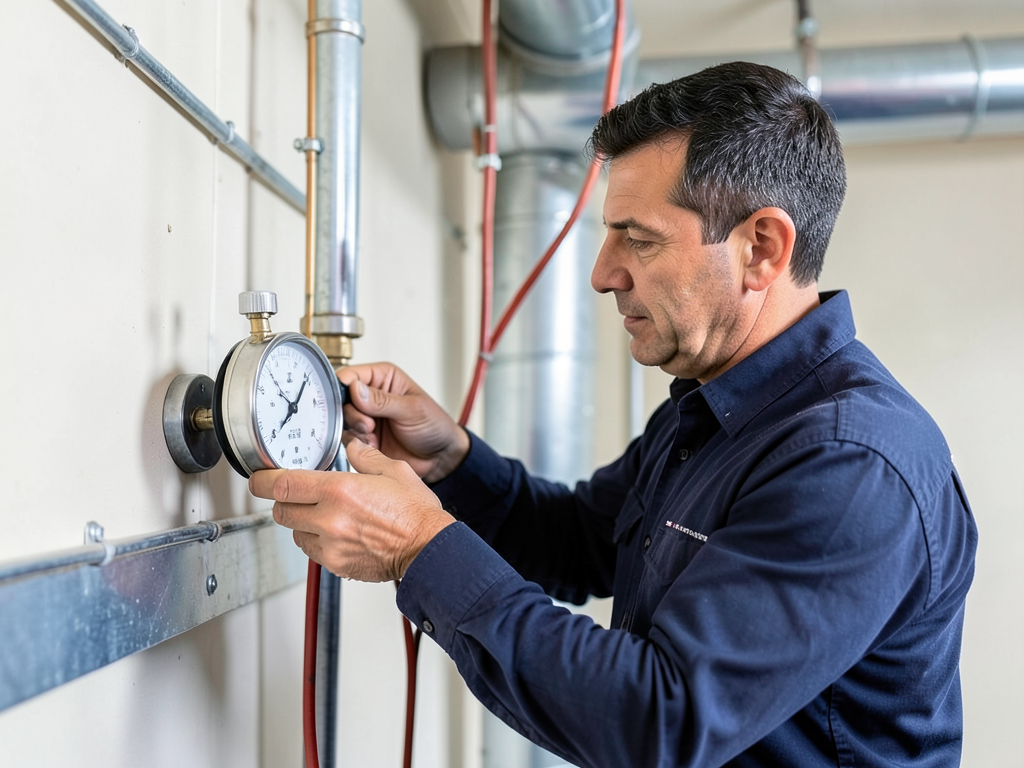
Why Closing Vents in Unused Rooms is Actually Raising Your Energy Bills
Many Detroit homeowners believe closing vents in unused rooms saves money by reducing the space their furnace or AC needs to heat or cool. The logic seems sound: less space means less energy. But this common practice actually does the opposite. When you close vents, you create pressure imbalances that force your HVAC system to work harder, consume more energy, and can even cause expensive damage. The system isn’t like a water faucet you can simply turn down; it’s a closed-loop system designed to move a specific amount of air through your entire home. ENERGY STAR thermostat programming.
How Static Pressure Makes Your System Fight Against You
Your HVAC blower is engineered to push a precise volume of air through your ductwork under specific pressure conditions. When you close vents, you’re not reducing the air the blower moves; you’re simply blocking its path. This restriction increases static pressure throughout the entire duct system. Think of it like trying to breathe through a pinched straw – the pressure builds up, and your lungs (or in this case, your blower motor) have to work much harder to move the same amount of air. This extra strain directly translates to higher electricity consumption and accelerated wear on critical components.
The Real Cost of Restricted Airflow
The consequences extend beyond just higher energy bills. Increased static pressure forces your blower motor to draw more amperage, which can lead to overheating and premature failure. In furnaces, restricted airflow across the heat exchanger can cause it to overheat. According to the International Residential Code (IRC) Section M1601, proper duct design ensures adequate airflow to prevent such hazards. A cracked heat exchanger not only requires expensive replacement but also poses a serious carbon monoxide risk to your family. The EPA mandates carbon monoxide detectors in sleeping areas precisely because of these dangers. EPA carbon monoxide safety information.
Summer and Winter: Different Dangers, Same Problem
The damage from closed vents manifests differently depending on the season. During Detroit’s humid summers, restricted airflow over the evaporator coil can cause it to freeze. When ice builds up, the coil can’t absorb heat effectively, causing your AC to run constantly without cooling your home. This not only wastes energy but can also lead to compressor failure – one of the most expensive repairs possible. In winter, the opposite occurs: insufficient airflow across the furnace’s heat exchanger causes it to overheat. This thermal stress can crack the metal, releasing carbon monoxide into your home. Storm Damage HVAC Repair.
Detroit’s Climate Makes It Worse
Detroit’s extreme temperature swings amplify these problems. Our sub-zero winters and 90°F+ humid summers mean your HVAC system already works harder than systems in more moderate climates. Adding pressure restrictions from closed vents creates a perfect storm for system failure. The high humidity we experience from July through August also means your AC needs maximum airflow to dehumidify effectively. Closing vents during these months not only wastes energy but creates an uncomfortable, clammy indoor environment.. Read more about Better Ways to Control the Temperature in Your Harrison Township Finished Basement.
What Actually Works: Proven Ways to Save Energy
Instead of closing vents, focus on solutions that address the real sources of energy waste. Start with a programmable or smart thermostat to automatically adjust temperatures when you’re asleep or away. According to ENERGY STAR, proper thermostat programming can save up to 10% annually on heating and cooling costs. Next, check for duct leaks – the Department of Energy estimates that leaky ducts can waste 20-30% of the air moving through your system. Professional duct sealing can dramatically improve efficiency. Modern HVAC Solutions for Historic Grosse Pointe Homes (Without Ruining the Aesthetics).
Modern Solutions for Uneven Temperatures
If certain rooms are consistently too hot or cold, the issue might be inadequate ductwork or poor insulation rather than the need to close vents. Consider a zoning system, which uses multiple thermostats and dampers to direct conditioned air where it’s needed most. While the upfront cost is higher than closing vents, zoning systems can reduce energy consumption by 30% or more by eliminating the need to overheat or overcool your entire home just to make one room comfortable. For Detroit’s historic homes in neighborhoods like Boston-Edison or Indian Village, professional assessment of your existing ductwork is especially important, as many older homes have undersized or damaged ducts. Fast and Professional Boiler Repair Services in Corktown and Midtown Detroit.
The Hidden Cost of the Vent-Closing Myth
Let’s put some numbers to this. A typical Detroit household spends $1,500-$2,500 annually on heating and cooling. The energy savings from closing vents might amount to $5-$10 per month at best – if anything at all. Meanwhile, the cost of repairing a failed blower motor ranges from $500-$1,500, while replacing a cracked heat exchanger can cost $1,500-$3,000 or more. A complete system replacement due to premature failure could easily exceed $7,000-$10,000. The math is clear: the potential savings are negligible compared to the risk of catastrophic failure.. Read more about Can a Whole House Fan Really Lower Your Cooling Costs in Rochester Hills?.
Real Stories from Detroit Homes
We’ve seen this scenario play out countless times in Metro Detroit homes. A family in Dearborn closes vents in unused bedrooms during winter to save money. Their furnace runs constantly but never quite heats the house properly. When we inspect it, we find the heat exchanger is cracked from overheating – a repair that costs more than what they would have spent on heating those rooms for several years. In another case, a homeowner in Royal Oak closes too many vents in summer, causing their AC coil to freeze solid. The compressor burns out, requiring a $3,000 repair that insurance won’t cover because it was due to maintenance neglect.
Take Action: Protect Your System and Your Wallet
The most cost-effective way to improve your HVAC efficiency is through professional maintenance and proper system design. A NATE-certified technician can perform a complete system analysis, checking static pressure, airflow, and duct integrity. They can identify whether your system is properly sized for your home and whether your ductwork needs modifications. For homes in older Detroit neighborhoods with historic architecture, this assessment is crucial – many of these homes have ductwork that wasn’t designed for modern HVAC equipment.
Your Next Steps
Don’t let a well-intentioned money-saving myth cost you thousands in repairs. Call (313) 552-7177 today to schedule your comprehensive HVAC system evaluation. Our technicians will measure your system’s static pressure, inspect your ductwork, and provide specific recommendations to improve efficiency without risking damage. We serve all Metro Detroit communities including Detroit, Ferndale, Royal Oak, and surrounding areas. A small investment in professional assessment now can prevent major repairs later and ensure your system runs efficiently through another Michigan winter. HVAC Ferndale.
Frequently Asked Questions
Will closing vents in unused rooms damage my HVAC system?
Yes. Closing vents increases static pressure throughout your duct system, forcing your blower motor to work harder and potentially causing your heat exchanger to overheat or your AC coil to freeze. This can lead to expensive repairs or even complete system failure.
How much money can I actually save by closing vents?
The potential savings are minimal – perhaps $5-$10 per month at best. However, the risk of causing $500-$3,000 in damage far outweighs any possible benefit. Professional maintenance and proper thermostat programming offer much better returns on investment.. Read more about Why Your Garden City Thermostat is Lying to You (And Where it Should Actually Be).
What should I do instead of closing vents to save energy?
Install a programmable thermostat, seal duct leaks, improve insulation, and consider a zoning system if you have persistent hot or cold spots. These solutions address the real causes of energy waste without risking system damage.
How do I know if my HVAC system has proper airflow?
Signs of restricted airflow include rooms that are always too hot or cold, the system running constantly, unusual noises from the blower, or ice on AC lines. A professional technician can measure static pressure and airflow to diagnose problems accurately.
Is it ever okay to close a vent?
Occasionally closing one vent in a very large room might be acceptable, but regularly closing multiple vents creates problems. If you need to close vents frequently, your system likely needs professional evaluation to address underlying issues like poor duct design or inadequate insulation.
How often should I have my HVAC system professionally maintained?
Annual maintenance is recommended for most systems, with heat pumps and AC units benefiting from spring checkups and furnaces from fall checkups. Regular maintenance can prevent 70-80% of common HVAC failures and keep your system running at peak efficiency.
You may also find this helpful. How to Keep Your University District Pipes From Freezing With Better Furnace Airflow.
{
“@context”: “https://schema.org”,
“@type”: “BlogPosting”,
“headline”: “Why Closing Vents in Unused Rooms is Actually Raising Your Energy Bills”,
“description”: “Discover why closing vents in unused rooms wastes energy and damages your HVAC system. Learn the real causes of high bills and proven fixes from Detroit’s trusted HVAC experts.”,
“wordCount”: 1415,
“datePublished”: “2026-05-06T07:34:00.000Z”,
“dateModified”: “2026-05-06T07:34:00.000Z”,
“inLanguage”: “en-US”,
“mainEntityOfPage”: {
“@type”: “WebPage”,
“@id”: “https://acehvacdetroit.com”
},
“publisher”: {
“@type”: “LocalBusiness”,
“name”: “Ace HVAC Detroit”,
“url”: “https://acehvacdetroit.com”
},
“author”: {
“@type”: “Organization”,
“name”: “Ace HVAC Detroit”,
“url”: “https://acehvacdetroit.com”
},
“image”: {
“@type”: “ImageObject”,
“url”: “https://acehvacdetroit.com/wp-content/uploads/2026/03/why-closing-vents-in-unused-rooms-is-actually-rais-1.png”
}
}
{
“@context”: “https://schema.org”,
“@type”: “HVACBusiness”,
“name”: “Ace HVAC Detroit”,
“url”: “https://acehvacdetroit.com”,
“address”: {
“@type”: “PostalAddress”,
“addressLocality”: “Detroit”
},
“areaServed”: {
“@type”: “City”,
“name”: “Detroit”
}
}
{
“@context”: “https://schema.org”,
“@type”: “FAQPage”,
“mainEntity”: [
{
“@type”: “Question”,
“name”: “Will closing vents in unused rooms damage my HVAC system?”,
“acceptedAnswer”: {
“@type”: “Answer”,
“text”: “Yes. Closing vents increases static pressure throughout your duct system, forcing your blower motor to work harder and potentially causing your heat exchanger to overheat or your AC coil to freeze. This can lead to expensive repairs or even complete system failure.”
}
},
{
“@type”: “Question”,
“name”: “How much money can I actually save by closing vents?”,
“acceptedAnswer”: {
“@type”: “Answer”,
“text”: “The potential savings are minimal – perhaps $5-$10 per month at best. However, the risk of causing $500-$3,000 in damage far outweighs any possible benefit. Professional maintenance and proper thermostat programming offer much better returns on investment.”
}
},
{
“@type”: “Question”,
“name”: “What should I do instead of closing vents to save energy?”,
“acceptedAnswer”: {
“@type”: “Answer”,
“text”: “Install a programmable thermostat, seal duct leaks, improve insulation, and consider a zoning system if you have persistent hot or cold spots. These solutions address the real causes of energy waste without risking system damage.”
}
},
{
“@type”: “Question”,
“name”: “How do I know if my HVAC system has proper airflow?”,
“acceptedAnswer”: {
“@type”: “Answer”,
“text”: “Signs of restricted airflow include rooms that are always too hot or cold, the system running constantly, unusual noises from the blower, or ice on AC lines. A professional technician can measure static pressure and airflow to diagnose problems accurately.”
}
},
{
“@type”: “Question”,
“name”: “Is it ever okay to close a vent?”,
“acceptedAnswer”: {
“@type”: “Answer”,
“text”: “Occasionally closing one vent in a very large room might be acceptable, but regularly closing multiple vents creates problems. If you need to close vents frequently, your system likely needs professional evaluation to address underlying issues like poor duct design or inadequate insulation.”
}
},
{
“@type”: “Question”,
“name”: “How often should I have my HVAC system professionally maintained?”,
“acceptedAnswer”: {
“@type”: “Answer”,
“text”: “Annual maintenance is recommended for most systems, with heat pumps and AC units benefiting from spring checkups and furnaces from fall checkups. Regular maintenance can prevent 70-80% of common HVAC failures and keep your system running at peak efficiency.”
}
}
]
}
{
“@context”: “https://schema.org”,
“@type”: “BreadcrumbList”,
“itemListElement”: [
{
“@type”: “ListItem”,
“position”: 1,
“name”: “Home”,
“item”: “https://acehvacdetroit.com”
},
{
“@type”: “ListItem”,
“position”: 2,
“name”: “Blog”,
“item”: “https://acehvacdetroit.com/blog”
},
{
“@type”: “ListItem”,
“position”: 3,
“name”: “Why Closing Vents in Unused Rooms is Actually Raising Your Energy Bills”
}
]
}
{
“@context”: “https://schema.org”,
“@type”: “Service”,
“serviceType”: “HVAC”,
“provider”: {
“@type”: “LocalBusiness”,
“name”: “Ace HVAC Detroit”,
“url”: “https://acehvacdetroit.com”
},
“areaServed”: {
“@type”: “City”,
“name”: “Detroit”
},
“description”: “Discover why closing vents in unused rooms wastes energy and damages your HVAC system. Learn the real causes of high bills and proven fixes from Detroit’s trusted HVAC experts.”
}